Jul 19, 2026Buying Guides
Flatlock vs Overlock vs Coverstitch for Activewear
Compare flatlock, overlock and coverstitch construction for yoga wear. Learn where each seam works, its benefits and what buyers should inspect.
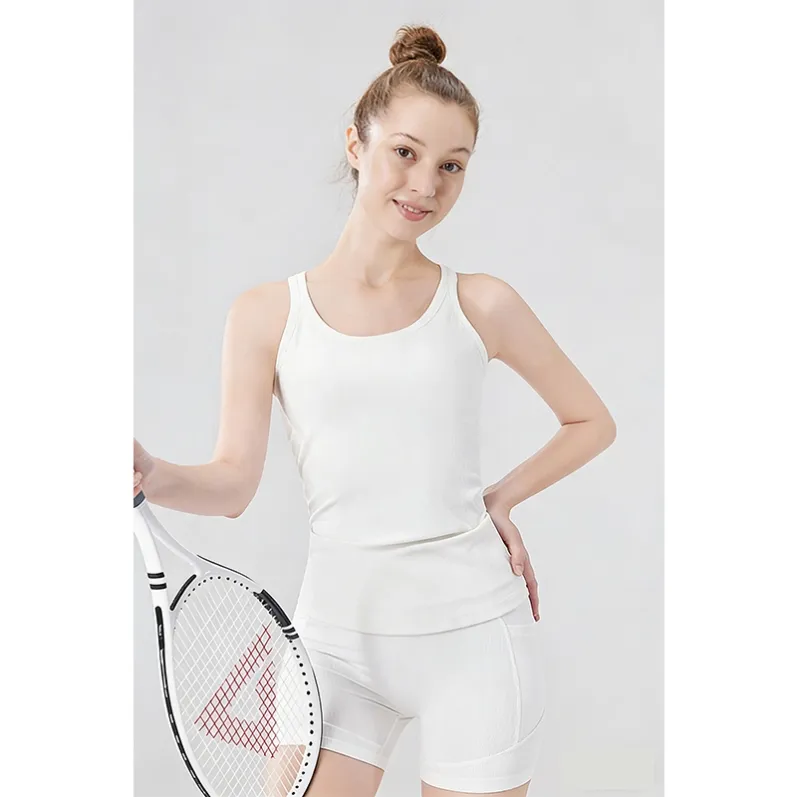
Flatlock vs Overlock vs Coverstitch: Which Is Best for Activewear?
Activewear buyers often ask which seam is best: flatlock, overlock or coverstitch. The practical answer is that they perform different jobs. Quality does not come from using the most impressive machine name throughout a garment. It comes from selecting a suitable stitch and seam for the fabric, location, appearance and load.
Terminology can vary among factories, so a tech pack should ideally include seam diagrams, reference samples or recognized stitch classifications rather than relying only on informal names.
Flatlock or flatseam construction
Flatseam construction creates a relatively flat seam profile and can reduce bulky seam allowances in close-fitting garments. It is often used in leggings, base layers and performance tops where skin contact is important.
Potential benefits include:
- flatter profile against the body;
- flexible construction when correctly balanced;
- athletic visual appearance;
- reduced bulk at selected joining seams.
However, “flatlock” does not guarantee zero irritation. Comfort still depends on thread, seam width, stitch density, tension, location and the wearer’s activity. Poorly adjusted stitching can feel rigid, distort the fabric or fail under extension.
Overlock construction
Overlock stitches wrap the fabric edge and are widely used to join stretch garment panels and control edge fraying. Different overlock and safety-stitch configurations are used depending on the seam and required security.
Potential benefits include:
- efficient panel assembly;
- good edge control;
- stretch compatibility when correctly specified;
- suitability for many internal seams.
The seam allowance remains on the inside, so bulk and skin contact need consideration. Thread balance and differential feed must be controlled to avoid puckering, stretching or wavy seams.
Coverstitch construction
Coverstitch is commonly used for hems, binding and elastic garment edges. Parallel needle lines appear on one side, while the underside covers the raw edge.
Potential benefits include:
- clean, familiar activewear finish;
- stretch at hems when correctly set;
- effective control of folded edges;
- decorative possibilities.
Common quality risks include tunneling, skipped stitches, uneven spacing, cracking thread and hems that flare or become wavy.
Which stitch belongs where?
Garment area | Common construction consideration |
Legging panel joining | Flatseam or suitable overlock construction, depending on design and comfort target |
Side seam or inseam | Strength, extension, seam bulk and abrasion exposure |
Leg opening and top hem | Coverstitch or another stretch-compatible finish |
Pocket opening | Clean finish plus reinforcement at stress points |
Strap or drawcord opening | Bartack or defined reinforcement where required |
Premium bonded detail | Adhesive compatibility, wash durability and fabric suitability |
This is not a universal specification. The final choice should be validated on the actual fabric and design.
What buyers should inspect
- seam stretches without thread breakage;
- stitch formation is balanced on both sides;
- no skipped stitches or needle damage;
- no excessive puckering or waviness;
- seam allowance is controlled;
- stress points are reinforced where specified;
- thread shade and sheen match the approved standard;
- seam remains acceptable after required care testing.
The Geny Yoga approach
Geny Yoga reviews seam selection as part of product development rather than as a marketing label. The right seam must support the design, movement and intended price point while remaining repeatable in production.
Send Emma your tech pack, seam reference or physical sample. Geny Yoga can review the intended construction and identify points that should be confirmed during sampling.
#flatlock vs overlock vs coverstitch; #activewear stitching, #yoga leggings seam, #flatseam, #coverstitch hem, #activewear manufacturer; #yoga wear, #activewear, #sportswear, #streetwear, #leggings, #shorts, #pants, #tops, #bras, #sports bras, #tanks