Jul 19, 2026Buying Guides
How to Choose Activewear Fabric for Yoga, Running and HIIT
Compare fabric priorities for yoga, running and high-intensity training. A practical B2B guide to stretch, recovery, support, moisture and durability.
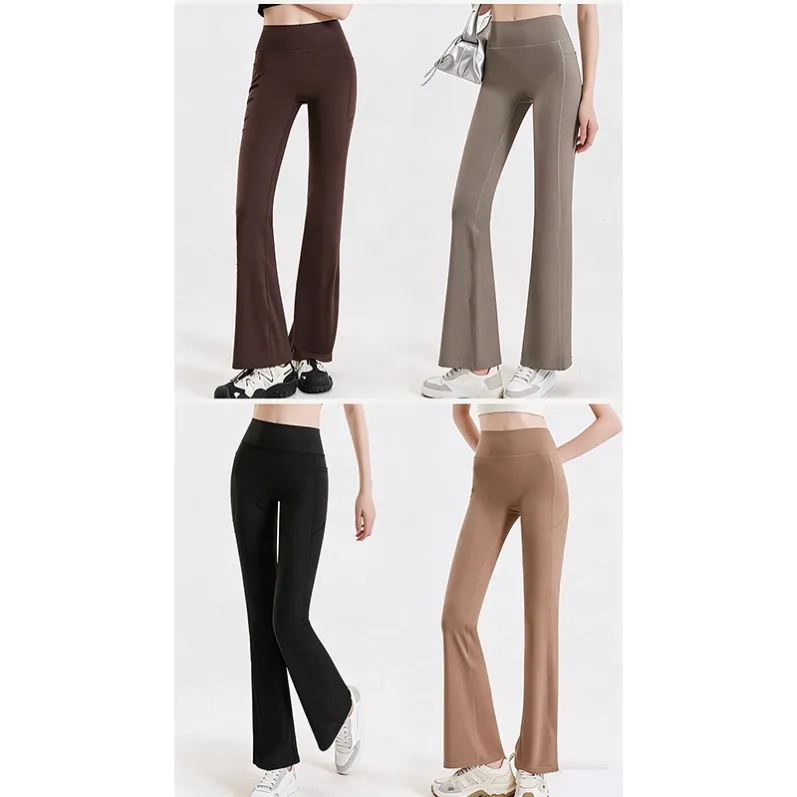
How to Choose Fabric for Yoga, Running and High-Intensity Training
There is no single “best activewear fabric.” A material that feels luxurious in studio yoga may not provide the support or drying behavior expected for running. A dense training fabric may feel unnecessarily restrictive in restorative movement.
The right choice begins with end use. Brand owners should define activity, fit, climate, care expectations, price position and visual direction before selecting composition or GSM.
Fabric priorities for yoga
Yoga garments need mobility across repeated flexion, extension and rotation. Depending on the style, buyers may prioritize:
- multidirectional stretch;
- smooth or soft hand feel;
- reliable recovery;
- coverage during bending;
- comfortable seam interaction;
- low restriction at the waist and hip;
- suitable moisture management;
- matte or softly finished appearance.
A gentle studio legging and a high-compression sculpting legging are different products. The word “yoga” alone is not a complete performance brief.
Fabric priorities for running
Running creates repetitive movement, sweat and friction. Relevant considerations may include:
- moisture transport and drying behavior;
- recovery and garment stability;
- abrasion and pilling resistance;
- low wet cling or acceptable wet feel;
- chafe-conscious seam placement;
- weight appropriate to climate;
- secure pockets and waistband support;
- visibility details where required.
Garment design is as important as fabric. A suitable material cannot compensate for unstable pockets or poorly located seams.
Fabric priorities for high-intensity training
HIIT and gym training can combine jumping, squatting, floor contact and rapid changes in direction. Buyers may prioritize:
- stable stretch and recovery;
- moderate or strong support, depending on category;
- opacity under high extension;
- abrasion resistance;
- sweat management;
- seam strength and reinforcement;
- freedom of movement without excessive fabric shift.
Sports bras also require support engineering beyond fabric selection, including pattern, straps, elastic, lining and cup construction.
Nylon-spandex and polyester-spandex
Both blends are widely used, and neither is universally superior.
Nylon-spandex fabrics are often selected for a smooth touch and close-to-body applications. Polyester-spandex fabrics can offer useful durability, print compatibility and moisture-management options. Actual performance depends on yarn, knit and finishing—not the fiber name alone.
Recycled inputs may support a brand’s material strategy, but sustainability claims should be based on verified supply-chain documentation and should not imply benefits that have not been measured.
Evaluate the complete performance profile
When comparing fabrics, review:
Property | Why it matters |
Stretch by direction | Determines mobility and pattern response |
Recovery | Helps control bagging and shape loss |
GSM and thickness | Influences feel, coverage and climate suitability |
Opacity under stretch | Important for leggings and light colors |
Moisture behavior | Affects comfort during sweat-intensive use |
Pilling/abrasion resistance | Relevant to repeated wear and surface contact |
Dimensional stability | Supports consistent fit after care |
Colorfastness | Helps manage staining, fading and transfer risk |
Sewing response | Determines whether the chosen construction is stable |
Testing requirements should reflect the target market, product claim and customer quality standard.
Start with a fabric brief
A useful sourcing request includes:
- garment type;
- activity and intensity;
- target hand feel;
- desired compression;
- preferred appearance;
- climate or season;
- color range;
- required performance tests;
- target price level;
- order quantity and development timeline.
This information allows a manufacturer to shortlist relevant options instead of sending a large, confusing swatch collection.
The Geny Yoga approach
Geny Yoga matches fabric selection to the intended garment and activity. We recommend reviewing the fabric in a finished sample, because performance is created by material, pattern, construction and fit together.
Building a yoga, running or training collection? Contact Emma with your product brief. Geny Yoga can help organize fabric options around the performance your customer actually needs.
#how to choose activewear fabric; #yoga fabric, running wear fabric, #HIIT activewear, #sportswear fabric manufacturer, #private label activewear; #yoga wear, #activewear, #sportswear, #performance streetwear, #yoga tops, #leggings, #shorts, #pants, #bras, #sports bras, #tanks