Jul 19, 2026Buying Guides
Activewear Trends 2026: What Yoga Brands Must Get Right
Discover the activewear trends shaping 2026 and learn how yoga brands can improve products, sourcing, quality and private-label development with GENY YOGA.
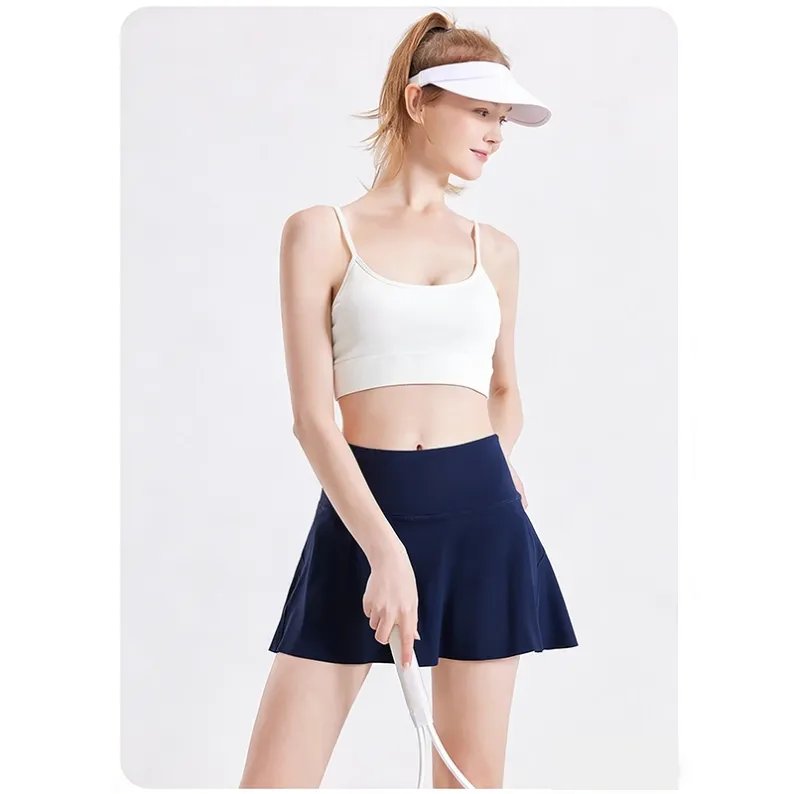
Activewear Is Changing Fast: What Yoga Brands Must Get Right in 2026
The global activewear market is not simply growing—it is becoming more selective.
Consumers still want comfortable yoga leggings, supportive sports bras and coordinated activewear sets. But they are also paying closer attention to fit, fabric performance, versatility, durability, brand identity and value for money.
For yoga wear brands, wholesalers and activewear startups, this creates both an opportunity and a warning.
A visually attractive collection may generate initial attention, but long-term growth depends on more than colors and social media promotion. Brands must understand who they serve, what product problem they solve and whether their manufacturing partner can consistently turn a concept into a commercially reliable product.
The next stage of activewear is therefore not about producing more styles. It is about developing better-defined products with clearer purposes, stronger evidence and more disciplined supply chains.
The Activewear Market Is Still Growing—but Growth Is Becoming More Competitive
According to the joint sporting goods industry report published by McKinsey & Company and the World Federation of the Sporting Goods Industry, global sporting goods growth is expected to moderate from approximately 7% annually during 2021–2024 to around 6% annually between 2024 and 2029.
This remains growth, but it is happening in a more difficult environment shaped by cautious consumer spending, inflation, geopolitical uncertainty and pressure on brands to improve productivity.
The same report also identifies an important behavioral shift: for many active consumers, exercise is no longer merely a hobby. It has become part of their lifestyle and personal identity. Specialized challenger brands have consequently gained ground by creating sharper propositions for specific communities such as yoga, running, cycling and gym training.
Source: McKinsey and WFSGI Sporting Goods Report: https://www.mckinsey.com/industries/retail/our-insights/sporting-goods-industry-trends
Being another general activewear label is no longer enough.
A brand needs to answer three questions:
- Who is the product designed for?
- What specific functional or emotional need does it meet?
- Why should a customer choose it over dozens of similar alternatives?
These questions should guide product development before a brand selects colors, adds a logo or places a bulk order.
Trend 1: Activewear Is Becoming Part of Everyday Identity
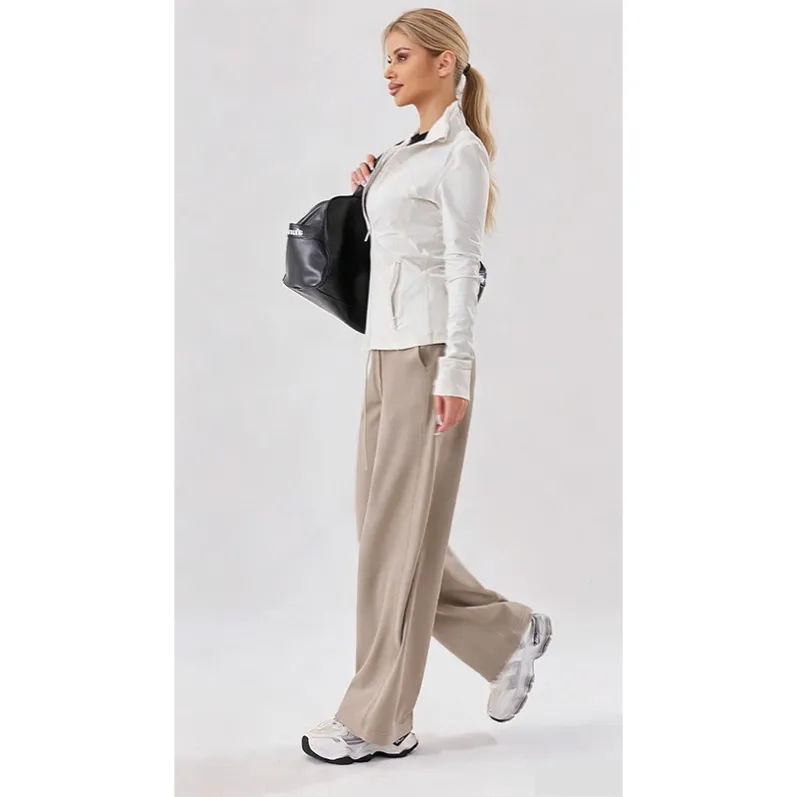
The boundary between yoga wear, activewear, sportswear and streetwear continues to blur. Customers want clothing that can move across different parts of the day:
- A yoga class in the morning
- Work or errands during the day
- Travel and casual social activities
- Light training or Pilates
- Relaxing at home
This does not mean that technical performance has become less important. It means performance must now work together with comfort, styling and versatility.
A yoga legging may need to provide four-way stretch and confident coverage while also offering a flattering shape suitable for everyday outfits. A sports bra may need enough support for training but still look clean beneath a jacket. Yoga tops and tanks need to function during movement without appearing overly technical outside the studio.
For brands, this creates opportunities to develop coordinated product families rather than disconnected individual items:
- Yoga leggings with matching sports bras
- Biker shorts with coordinating tanks
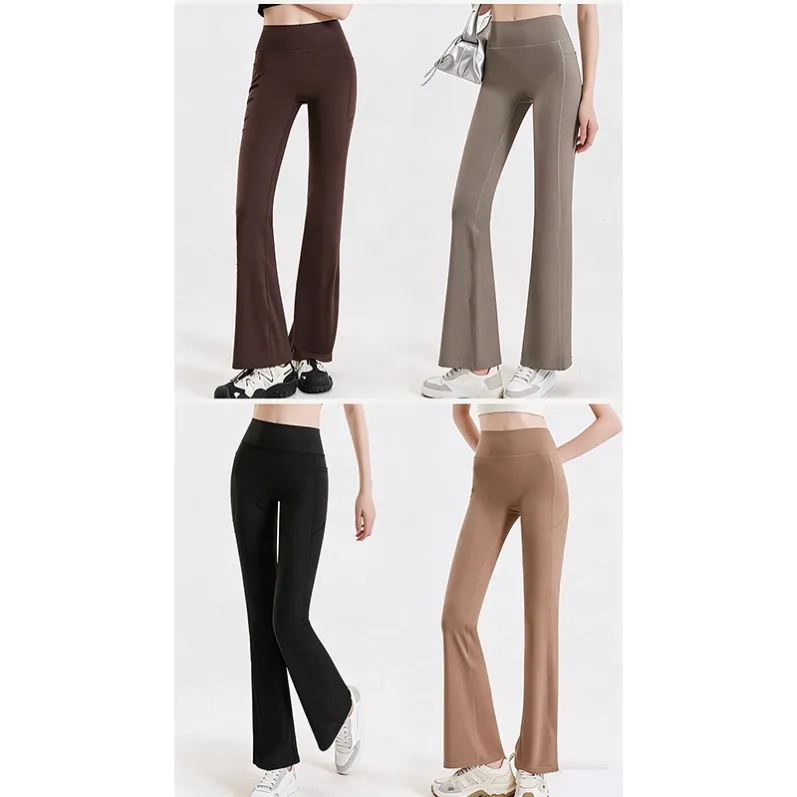
- Flared yoga pants with fitted tops
- Lightweight jackets designed for layering
- Yoga sets suitable for studio-to-street use
- Soft lounge pieces that complement performance activewear
A coherent collection gives customers more reasons to purchase multiple products and helps create a recognizable brand identity.
Trend 2: Clear Product Purpose Is Replacing Generic Claims
“Comfortable,” “high quality,” “breathable” and “fashionable” appear on thousands of activewear product pages. The problem is that these descriptions do not tell a buyer what makes one product different from another.
Successful yoga wear collections are increasingly organized around clear use cases:
- Soft, low-compression leggings for yoga
- Medium-support leggings for Pilates and studio training
- High-compression pants for intensive workouts
- Lightweight shorts for running and gym sessions
- Low-, medium- or high-support sports bras
- Seamless activewear designed for contouring and flexibility
- Brushed fabrics for cooler weather
- Breathable, quick-drying fabrics for warm climates
This approach helps consumers choose the right product and helps B2B buyers build a more commercially balanced collection.
For example, “four-way stretch” is a fabric property. A stronger product description explains its practical value: four-way stretch construction allows the fabric to move in multiple directions, supporting deep stretches, yoga poses and everyday movement without unnecessary restriction.
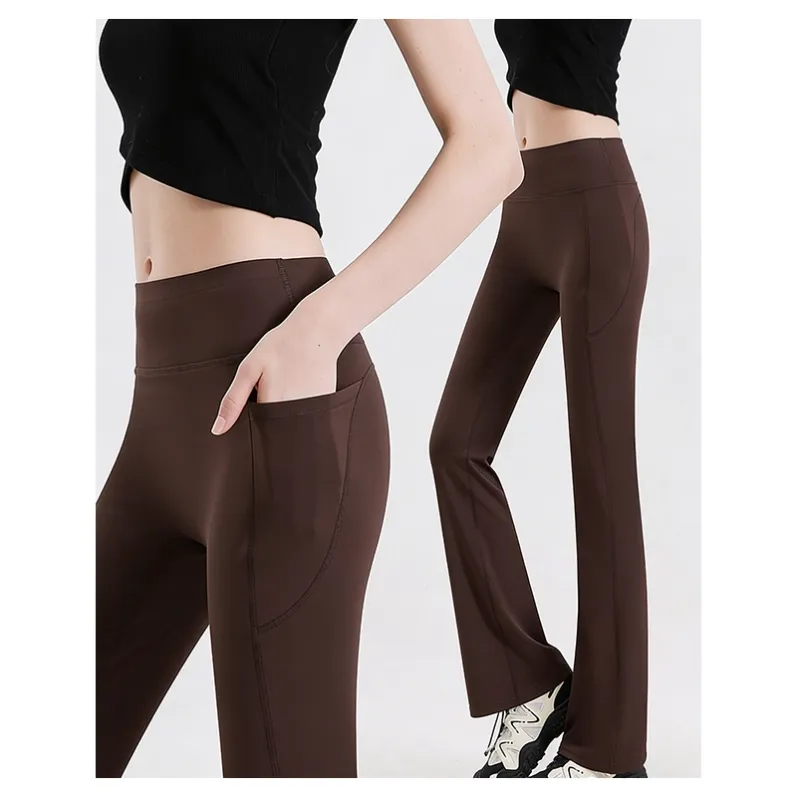
Similarly, “high-waisted” describes a design feature, while the benefit is that a wide, double-layer waistband can provide stable coverage and a smoother fit without excessive pressure around the waist.
Feature → Function → Customer benefit
Trend 3: Fabric Choice Is Becoming a Strategic Brand Decision
Fabric is not simply a technical specification. It shapes how customers experience the product and how they remember the brand.
Two pairs of yoga leggings may look almost identical in photographs but feel completely different when worn. The differences may come from:
- Fiber composition
- Fabric weight
- Stretch and recovery
- Knitting structure
- Surface finish
- Compression level
- Moisture management
- Colorfastness
- Pilling resistance
- Coverage under stretching
- Washing performance
Nylon-and-elastane fabrics are often selected for a soft hand feel and flexible performance. Polyester blends can offer durability and moisture-management advantages. Seamless rib fabrics can create a fitted, sculpted appearance, while brushed fabrics may provide a warmer and softer sensation.
No single fabric is automatically “the best.” The correct material depends on the intended user, retail price, product category and activity.
A responsible custom yoga wear manufacturer should therefore ask more than, “Which fabric do you want?” The discussion should include:
- What activity is the garment designed for?
- What level of compression is required?
- Should the fabric feel cool, smooth, brushed or supportive?
- What retail market and price range is being targeted?
- Is lightweight comfort or structured support more important?
- What tests or wear evaluations are necessary?
- Will the product be sold as yoga wear, gym wear or lifestyle streetwear?
A fabric should be selected because it supports the product strategy—not simply because it is currently popular.
Trend 4: Fit and Inclusivity Are Becoming Commercial Requirements
Fit remains one of the most difficult parts of activewear development. A design can look excellent in a technical drawing but still perform poorly if the waistband rolls, the rise is uncomfortable, the sports bra shifts during movement or the leggings become transparent when stretched.
Professional product development should consider:
- Body measurements
- Grading between sizes
- Garment stretch
- Rise and inseam
- Waistband height and tension
- Bra support level
- Strap placement
- Seam positioning
- Coverage during movement
- Fit across different body types
Inclusive sizing should not mean mechanically enlarging or reducing one base pattern. Different sizes may require adjustments in proportions, support structures and component placement.
Brands that want to serve a broader customer base should allow sufficient time for sampling, fitting and revision. Skipping these steps may reduce development costs initially, but it can create higher costs later through returns, complaints and inconsistent customer reviews.
Trend 5: Sustainability Requires Evidence, Not Just Marketing Language
Sustainability remains an important conversation in activewear, but buyers and consumers are becoming more careful about vague environmental claims.
Terms such as “eco-friendly,” “green” and “sustainable” should be supported by relevant information, such as:
- Fiber composition
- Recycled material percentage
- Material certification where applicable
- Production and sourcing documentation
- Packaging choices
- Product durability
- Testing and traceability
- Responsible chemical management
Recycled nylon, recycled polyester and other preferred materials can be useful options, but changing one fiber does not automatically make an entire product sustainable. Brands should avoid exaggerated claims and communicate what can genuinely be documented.
For emerging activewear brands, a practical sustainability strategy may begin with a few achievable steps:
- Select materials appropriate for long-term product use.
- Avoid unnecessary sampling and overproduction.
- Improve size and fit accuracy to reduce returns.
- Choose packaging according to actual product requirements.
- Request available material documentation.
- Communicate environmental features accurately.
Honest, specific information builds more trust than ambitious but unsupported slogans.
Trend 6: Smaller, More Focused Collections Can Reduce Risk
Launching a large collection can appear impressive, but it also increases development complexity and inventory exposure. Many new yoga wear brands benefit from beginning with a focused capsule collection, for example:
- One core yoga legging
- One complementary biker short
- One or two sports bras
- One yoga tank or fitted top
- A limited, coordinated color palette
This approach allows the brand to test customer response, preferred colors, size distribution, price acceptance, fit feedback and repeat purchase potential. The collected information can then guide the next collection.
Low MOQ can help reduce entry risk, but MOQ should not be considered in isolation. Brands must also evaluate material availability, unit cost, customization level, sample investment and potential reorder consistency. The cheapest first order is not always the lowest-risk sourcing decision.
Trend 7: Buyers Want Greater Supply-Chain Visibility
B2B buyers are not only evaluating the finished yoga pants, tops or sports bras. They are assessing whether a supplier can support the entire development process.
- Can the supplier understand a tech pack?
- Can it recommend suitable fabrics without overselling?
- Are sample comments recorded and followed?
- Can colors be matched consistently?
- Are garment measurements checked?
- Can logos, labels, hangtags and packaging be coordinated?
- How are problems identified before shipment?
- Is communication clear and timely?
- Can the supplier support future repeat orders?
This is why a reliable private label activewear manufacturer should be more than a sewing supplier. The supplier’s value lies in helping the buyer make informed decisions throughout the process—from product concept and material selection to sampling, production and final quality review.
What Yoga Brands Should Prioritize in 2026
1. Build a Specific Brand Proposition
Decide whether the brand stands for softness, sculpting, performance, inclusivity, sustainability, studio-to-street styling or another clearly defined benefit. Trying to represent everything can make the brand difficult to remember.
2. Develop Products Around Real Use Cases
Define the intended activity before choosing the fabric and construction. Yoga leggings, gym leggings, running pants and casual streetwear may require different levels of stretch, compression, breathability and support.
3. Treat Sampling as Product Development
A sample is an opportunity to evaluate fit, fabric behavior, construction, color, logo application, comfort, movement, wash performance and overall commercial presentation.
4. Balance Trend Relevance with Product Longevity
Trending colors and silhouettes can help attract attention, but core products provide consistency. A balanced collection may combine reliable essentials with a smaller number of seasonal styles.
5. Communicate Claims Carefully
Words such as “squat-proof,” “sustainable,” “premium” and “high support” should be backed by appropriate product design, testing or documentation.
6. Choose a Manufacturing Partner, Not Only a Price
Unit price matters, but so do consistency, communication, problem-solving and long-term product development support. A lower quotation can become expensive if it results in repeated sampling, delivery uncertainty, incorrect measurements or inconsistent bulk production.
Why Choose GENY YOGA?
At GENY YOGA, we understand that building an activewear collection involves more than adding a logo to an existing garment.
Each project begins with the intended customer, activity, fit, fabric requirements and commercial positioning. This helps create yoga wear and sportswear that are more closely aligned with the brand’s actual market.
GENY YOGA supports the development of products including:
- Custom yoga leggings and yoga pants
- Sports bras and yoga bras
- Yoga tops and tank tops
- Biker shorts and gym shorts
- Coordinated activewear sets
- Seamless activewear
- Pilates wear
- Fitness and workout clothing
- Casual activewear and streetwear-inspired pieces
Depending on the project requirements, customization may involve product design, fabric selection, colors, sizing, logo applications, labels, hangtags and packaging.
A Practical, Product-Focused Approach
We believe professional manufacturing starts with asking the right questions:
- Who will wear this garment?
- How will it be used?
- What fit and support level are required?
- Which fabric properties are essential?
- What details make the product relevant to the brand?
- Which risks should be checked during sampling?
This product-focused approach helps reduce misunderstandings and supports more informed development decisions.
OEM, ODM and Private-Label Support
Different brands enter the development process at different stages. Some have complete tech packs and defined materials. Others begin with reference products, sketches or a general collection concept.
GENY YOGA can discuss the appropriate development route based on the information available. The objective is not to promise that every idea can be produced exactly as imagined without evaluation. It is to examine the requirements, identify practical options and develop a realistic path toward sampling and production.
Clear Communication for Long-Term Cooperation
Successful activewear sourcing depends heavily on communication. Details involving fabric, measurements, colors, construction, logos and packaging should be confirmed clearly before bulk production. When expectations and specifications are properly documented, both the buyer and manufacturer can work more efficiently.
GENY YOGA aims to build cooperation through realistic communication, careful product discussion and consistent attention to development details.
From an Idea to a Product Customers Can Trust
The activewear market still offers meaningful opportunities, particularly for brands with a focused identity and a genuine understanding of their customers. However, opportunity does not remove the need for discipline.
A successful yoga wear collection must balance design, comfort, performance, fit, cost, quality and supply-chain reliability. No single fabric, trend or marketing campaign can replace that foundation.
Define the customer need, build the right product and work with a manufacturing partner that understands the details.
If you are planning a new collection of yoga leggings, sports bras, tops, tanks, shorts, pants or activewear sets, GENY YOGA welcomes the opportunity to review your requirements.
Send us your detailed requirements, reference sample or initial product concept. We can begin with a practical discussion about fabric, fit, customization and sampling—then determine whether we are the right manufacturing partner for your brand.
READY TO DEVELOP YOUR NEXT ACTIVEWEAR COLLECTION? www.genyyoga.com |
#activewear trends 2026; #yoga wear manufacturer; #custom yoga wear manufacturer; #private label activewear manufacturer; #private label yoga clothing; #custom activewear manufacturer; #OEM activewear manufacturer; #ODM yoga wear supplier; #wholesale yoga clothing; #custom sportswear manufacturer; #sustainable activewear; #custom yoga leggings; #custom sports bras; #yoga clothing supplier.
#yoga wear; #activewear; #active wear; #sportswear; #streetwear; #yoga leggings; #yoga pants; #sports bras; #yoga bras; #yoga tops; #tank tops; #yoga tanks; #biker shorts; #gym shorts; #activewear sets; #seamless activewear; #Pilates wear; #workout clothing.