Jul 19, 2026Buying Guides
30 Questions Buyers Ask About Custom Yoga Wear
Professional answers for activewear product development, sampling, quality and long-term sourcing This guide avoids universal promises. MOQ, timing, tests and customization must be confirmed accordin
30 Questions Buyers Ask About Custom Yoga Wear
Custom Services & Product Development
1. What types of yoga wear and activewear can you manufacture?
GENY YOGA supports the development of yoga leggings, yoga pants, sports bras, yoga tops, tank tops, biker shorts, gym shorts, jackets, activewear sets, Pilates wear, seamless activewear and selected streetwear-inspired sportswear. Available materials, construction methods and customization options depend on the design and performance requirements. Send a tech pack, sketch, reference sample or product image for an initial evaluation.
2. Do you provide OEM, ODM and private-label services?
Yes. OEM generally follows a customer’s specifications; ODM begins with a concept or reference and requires more development; private label adapts suitable products with the customer’s branding. We review fabric, fit, construction, sizing, labels, packaging and quantity before recommending a route.
3. Can you develop a product from a sketch or reference photo?
A sketch or photo can start the discussion, but accurate development may also require front and back views, measurements, fabric direction, size range, colors, logo details, intended activity and target price. We identify missing information before sampling to reduce avoidable revisions.
4. Can you copy an existing branded product?
A legally supplied reference can help us understand fit, construction and fabric direction. We do not recommend reproducing protected logos, artwork or distinctive designs without authorization. The safer approach is to develop an original product for your own brand.
5. Can you help build a complete activewear collection?
Yes. A coordinated collection may combine leggings, bras, tops, tanks, shorts and jackets. Before development, define the customer, activity, price range, core styles, color palette and brand promise. New brands often reduce risk by launching a focused capsule first.
MOQ, Pricing & Order Planning
6. What is your minimum order quantity?
MOQ depends on style, material, color, logo process and customization. Custom-dyed fabric or seamless knitting may require a different quantity from available fabric and standard colors. Send the product breakdown so we can assess a realistic MOQ rather than quote a misleading universal number.
7. Can you support a small startup order?
Small-batch options may be discussed when suitable materials and simpler customization are available. Smaller quantities normally carry higher unit costs because pattern, sampling, material preparation and production setup are spread across fewer garments. We help buyers compare flexibility, cost and product ambition.
8. Why do similar-looking leggings have different prices?
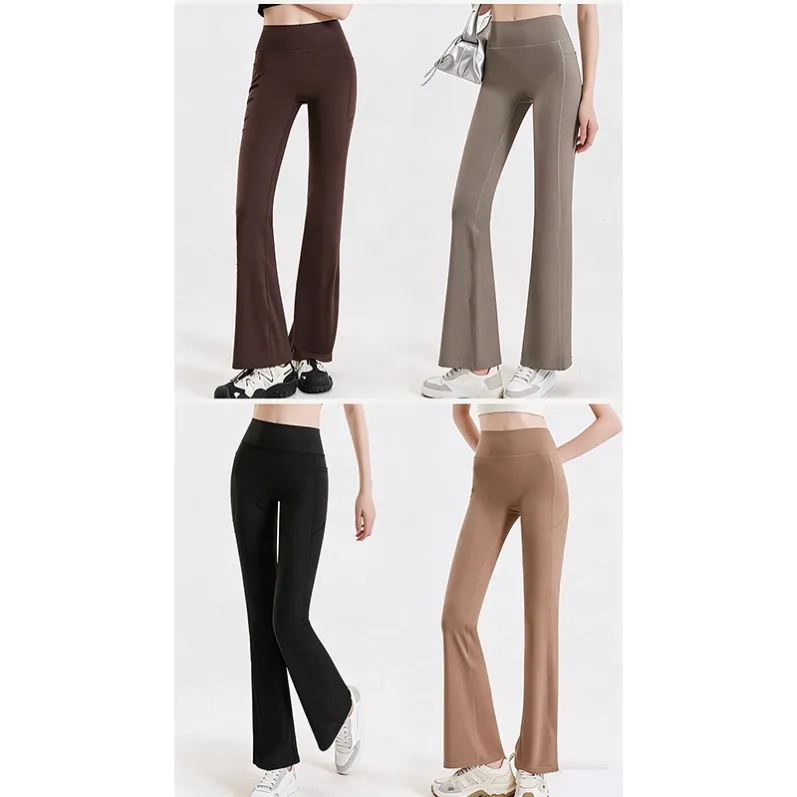
Photographs do not reveal fabric weight, recovery, density, opacity, pilling resistance, waistband construction, stitching, logo durability or QC requirements. A reliable price must be based on the complete specification, not appearance alone.
9. What information is needed for a quotation?
Provide the design or reference, fabric requirements, colors, sizes, quantity per style and color, logo method, labels, packaging, destination and desired schedule. More complete information produces a more useful quotation and fewer changes later.
10. Can you offer the lowest possible price?
We can examine cost-saving options such as available fabrics, fewer colors, simpler construction, standard packaging or increased volume. However, savings should not remove the function that makes the product commercially viable. The lowest unit price is not always the lowest total risk.
Sampling & Development
11. Can I order a sample before bulk production?
Yes. Sampling is strongly recommended to evaluate material, measurements, fit, compression, support, construction, branding and appearance. A first sample is an evaluation stage and may require documented adjustments.
12. How long does sample development take?
Timing depends on fabric availability, pattern complexity, logo process and number of styles. A simple product using available materials is normally easier to develop than a custom-dyed or seamless garment. We confirm a schedule after reviewing the complete requirements; shipping time is separate.
13. Why does a custom sample cost more than one bulk unit?
A custom sample may require material sourcing, pattern making, cutting, sewing, logo setup, fitting and manual adjustment for one garment. These development costs have not yet been distributed across a production quantity.
14. How many sample revisions are required?
There is no honest universal number. Complete tech packs and consolidated feedback usually reduce revisions. Changes may still be needed for fit, measurements, material, support, seam position, logo or color. Each revision should have a defined purpose and measurable comments.
15. Can you make a pre-production sample?
A pre-production sample may be used to confirm the intended bulk fabric, color, construction, measurements, logos, labels and packaging. Its role and approval procedure should be agreed before production.
Fabric, Function & Performance
16. Which fabric is best for yoga leggings?
No fabric is best for every legging. Selection depends on activity, softness, compression, coverage, climate, durability and price. Nylon-elastane blends are often chosen for softness and flexibility; polyester-elastane blends may offer durability and moisture-management advantages. Knitting and finishing matter as much as fiber names.
17. What is the difference between nylon and polyester activewear?
Nylon-based materials are often smooth and soft, while polyester-based materials can offer strong durability, color performance and moisture management. Actual results depend on yarn quality, weight, structure, stretch, recovery and finishing—not fiber name alone.
18. What does four-way stretch mean?
It means a fabric stretches lengthwise and crosswise and can recover toward its original shape. This supports movement, but good fit also depends on stretch percentage, recovery, pattern and garment construction. Four-way stretch alone is not proof of quality.
19. Can you guarantee that leggings are squat-proof?
Coverage depends on density, color, size, pattern, fit, lighting and degree of stretch. It should be evaluated on-body in relevant poses and representative colors and sizes. Absolute claims should not be made without an agreed test method and result.
20. What is light, medium and high compression?
Light compression emphasizes softness and freedom; medium compression adds structure for studio and gym use; high compression creates a firmer feeling for intensive training or sculpting. Compression comes from fabric power, pattern and fit—not fabric weight alone.
21. Can you make quick-dry and moisture-wicking products?
These properties can guide fabric selection. Moisture wicking describes moisture transport; quick drying describes release and drying speed. They are related but not identical. If a specific marketing claim is required, agree on the relevant evaluation method.
22. Can you manufacture seamless activewear?
Seamless options can be discussed for leggings, bras, tops, shorts and sets. Seamless knitting offers contour structures and fewer conventional seams, but it does not mean zero finishing operations. Yarn, design, MOQ and timing differ from cut-and-sew production.
Color, Logo & Branding
23. Can you customize Pantone colors?
Color matching may be available depending on material, dyeing method and quantity. Pantone is a reference, but color appearance varies across textures, lighting and screens. Lab dips or physical approvals may be needed, with an agreed commercial tolerance.
24. What logo techniques are available?
Options may include heat transfer, silicone, screen printing, embroidery, woven labels, patches, reflective transfers and sublimation where suitable. The correct method depends on fabric stretch, logo size, position, wash requirement, visual effect and cost.
25. Can you customize labels, hangtags and packaging?
Options may include brand, size and care labels, hangtags, barcodes, polybags, packaging and carton marks. Customers should provide approved artwork and legally required wording. Country-of-origin and care-label requirements should be checked for the destination market.
Sizing, Quality & Testing
26. Can you use our size chart?
Yes, but it should be reviewed with fabric stretch, compression, target body shape and intended fit. Body measurements and finished garment measurements are different. Key measurement points and tolerances should be confirmed before production.
27. How is activewear quality controlled?
A practical plan may cover incoming materials, color confirmation, pattern and measurement review, cutting, in-line sewing, logos, labels, workmanship, measurements, final inspection and packing. The exact checks and acceptance criteria should match the product risks.
28. What tests should be considered?
Depending on use and market, buyers may consider colorfastness, wash stability, pilling, strength, seam extension, stretch and recovery, abrasion, composition, restricted substances, logo adhesion, opacity, measurements and wear testing. Not every product needs every test; the plan should reflect its claims and risks.
Production & Long-Term Cooperation
29. How long does bulk production take?
Timing depends on material availability, custom dyeing, quantity, styles, colors, logos, construction, approvals and the production schedule. We confirm timing after specifications and materials are settled. Freight time must be planned separately.
30. How can we build a stable long-term manufacturing relationship?
Use updated tech packs, recorded approvals, clear tolerances, consolidated sample comments, realistic forecasts and advance planning. Discuss problems with evidence and preserve repeat-order specifications. At GENY YOGA, the objective is to understand the product direction, identify risks early and support more consistent future collections.
Ready to Discuss a Real Project?
Every collection has different requirements. To receive a useful response, send GENY YOGA your tech pack, reference images or sample, fabric direction, size range, colors, quantity per style and color, branding requirements, destination and desired schedule.
We can then discuss the realistic development route, important risk points and whether sampling should be the next step.